
Education sponsorship can help children from low-income families stay in school. Learn about Pakistan’s poverty challenges and how BSK Foundation can support fairer access to education.
Education sponsorship can help children from low-income families stay in school. Learn about Pakistan’s poverty challenges and how BSK Foundation can support fairer access to education.
Learn how to start a small side hustle without upfront spending by choosing a practical skill, creating samples, finding your first customer, and growing carefully.
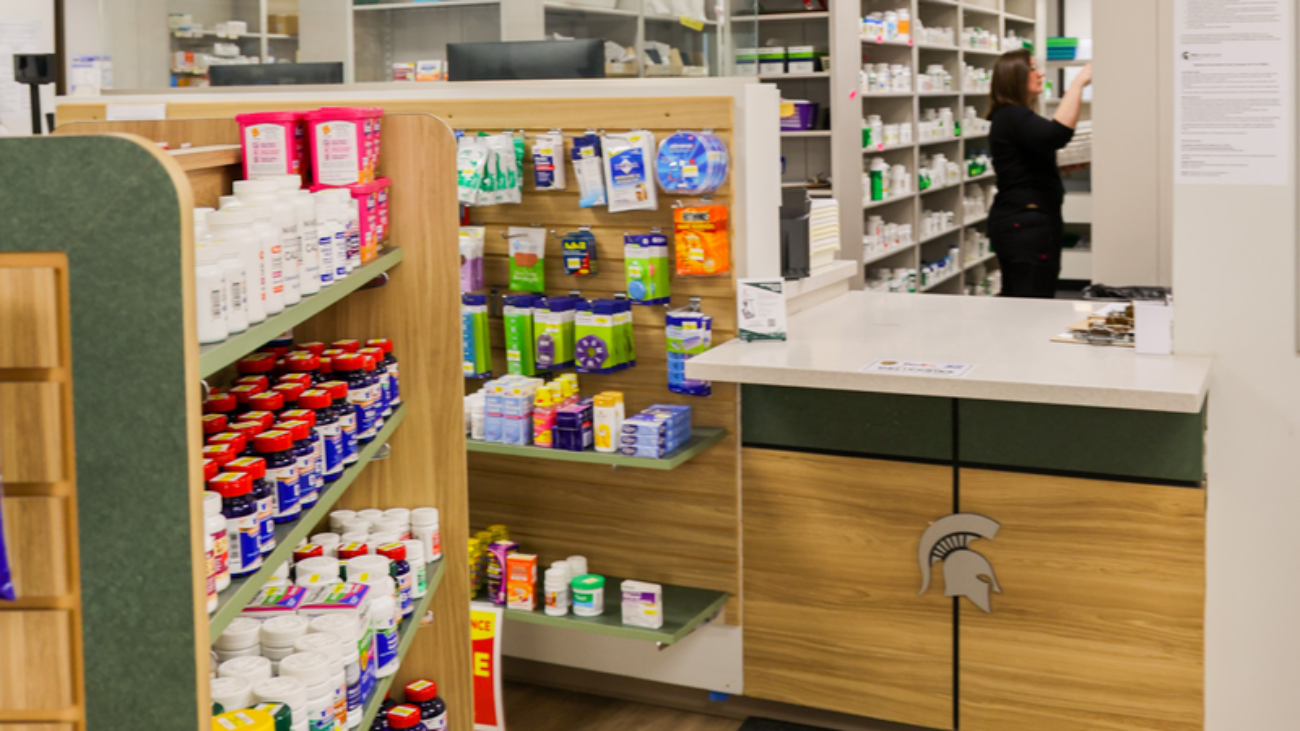
Basic Medicines and Tools Every Home Should Have
Access to basic healthcare is not always easy for many families, especially those living in low-income communities. In developing countries like Pakistan, people often face challenges such as long distances to hospitals, high medical costs, and lack of immediate medical support. In such situations, having a simple home medical kit can make a big difference. A well-prepared home medical kit helps families manage minor illnesses, provide first aid, and prevent small health problems from becoming serious.
A home medical kit is the first line of defense against common health issues. Small injuries, fever, headaches, or minor infections can occur anytime. Without basic medicines and tools, families may delay treatment, which can worsen the condition. For low-income families, a basic medical kit reduces the need for frequent hospital visits and helps save money.
Having essential medical items at home also ensures quick response in emergencies. Early care for minor injuries like cuts, burns, or sprains can prevent complications and promote faster recovery.
A simple and affordable home medical kit should include basic medicines that are commonly used for everyday health problems. These may include:
These medicines help manage common health issues until professional medical care is available if needed.
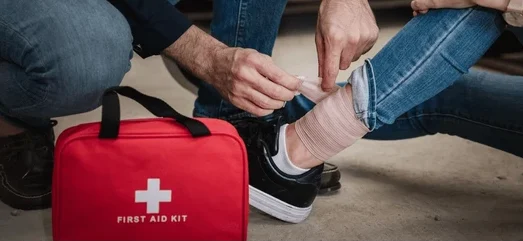
In addition to medicines, some basic tools are very useful in a home medical kit. These include:
These simple tools allow families to provide safe and hygienic care at home.
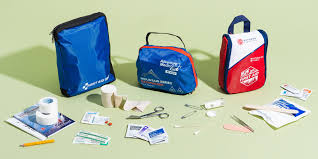
For families with limited resources, a home medical kit can reduce stress and financial burden. Instead of rushing to a clinic for minor issues, they can handle basic care at home. This also reduces overcrowding in hospitals and allows healthcare services to focus on serious cases.
A home medical kit also encourages awareness and responsibility for personal health. Families become more prepared and confident in handling everyday medical situations.
At foundation.bskgroups.com, we are committed to improving healthcare access for poor and needy people across Pakistan. We understand that many families cannot afford frequent medical visits, which is why we promote affordable and practical healthcare solutions such as home medical kits.
Through our BSK Home Care Services, we provide guidance to families about essential medical items and how to use them safely. Our goal is to help communities prevent illnesses, manage minor health problems, and reduce unnecessary medical expenses.
Creating a basic home medical kit does not require expensive equipment. Even a small collection of essential medicines and tools can protect families from common health risks. With awareness, preparation, and support from initiatives like BSK Home Care Services, low-income families can take an important step toward better health.
A prepared home is a safer home. By keeping essential medical supplies available, families can respond quickly to health issues and create a healthier future for themselves and their loved ones.
How Simple Practices Reduce Disease Risk
Good hygiene and sanitation at home are some of the most powerful tools we have to stay healthy and prevent illness. When families practice basic cleanliness every day, they significantly reduce the spread of harmful germs, bacteria, and viruses that cause common diseases. In many communities, especially in developing countries like Pakistan, poor home hygiene is a major reason behind frequent sickness, infections, and repeated doctor visits. By understanding simple habits and how they protect our health, everyone can take effective steps toward safer and healthier living.
Everyday activities like washing hands, cleaning surfaces, and storing food properly may seem simple, but they play a huge role in keeping illness away. Hands often carry germs from surfaces, animals, toilets, or outdoor environments. When hands are not washed before eating or after using the bathroom, these germs can enter the body and lead to infections like diarrhea, respiratory problems, skin diseases, and stomach illnesses.
Children and elderly people are especially at risk because their immune systems are weaker. Clean homes help protect these vulnerable groups by stopping germs before they spread. Good sanitation not only keeps sickness away but also creates a happier and more comfortable home environment.
One of the easiest and most effective ways to prevent disease is washing hands with soap and clean water. This should be done:
Hand washing removes invisible germs that can easily cause illness.
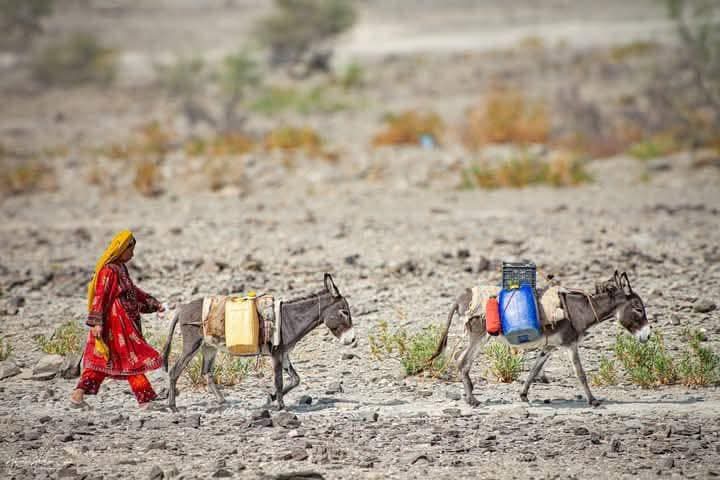
Using safe and clean water prevents waterborne diseases such as cholera, typhoid, and diarrhea. If clean water is not available, families should boil or filter water before drinking. Clean water also supports general hygiene, like washing hands and bathing.
Food left uncovered or stored in unclean places easily attracts insects and bacteria. Washing fruits and vegetables, cooking food thoroughly, and storing leftovers properly can reduce the risk of food poisoning.
Keeping living areas clean helps reduce dust and germs. Regular sweeping, disinfecting kitchen counters, and cleaning bathrooms can prevent the spread of bacteria that cause infection.
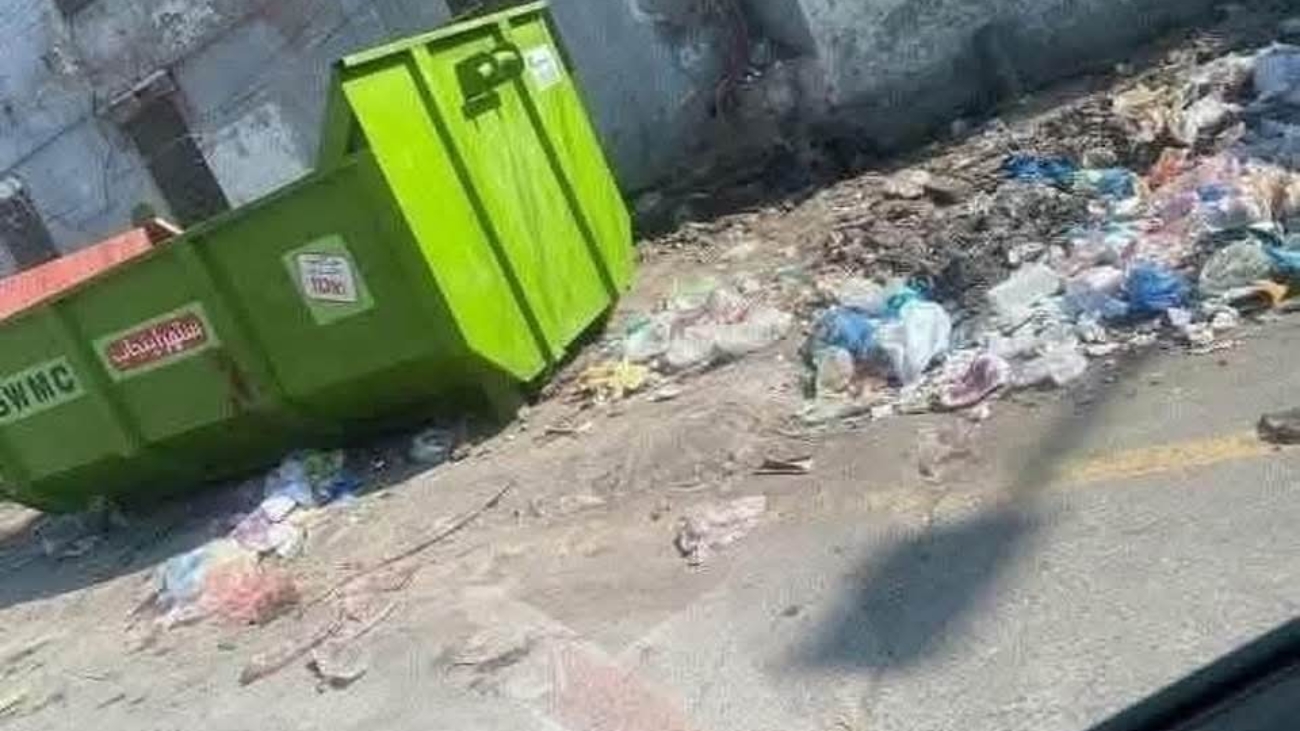
Properly disposing of household waste prevents contamination and stops disease-carrying pests like flies and rats from entering your home environment.
When hygiene standards are low at home, chances of sickness increase. Poor sanitation leads to infections that can affect daily life, school attendance, and work productivity. On the other hand, healthy homes help families save money on medical expenses, reduce time lost due to illness, and improve overall happiness within households. A clean home is more than just neat—it is a critical part of disease prevention.
At BSK Home Care Services, part of the work by foundation.bskgroups.com, we believe that everyone deserves a safe and healthy home environment. Our mission is to support families, especially those who cannot easily access medical care or health education. We provide home healthcare guidance, basic medical support, and awareness programs focused on hygiene and sanitation.
Our trained health workers visit homes in poor communities to:
Through our affordable and compassionate home care services, we aim to reduce illness and improve the overall well-being of families across Pakistan.
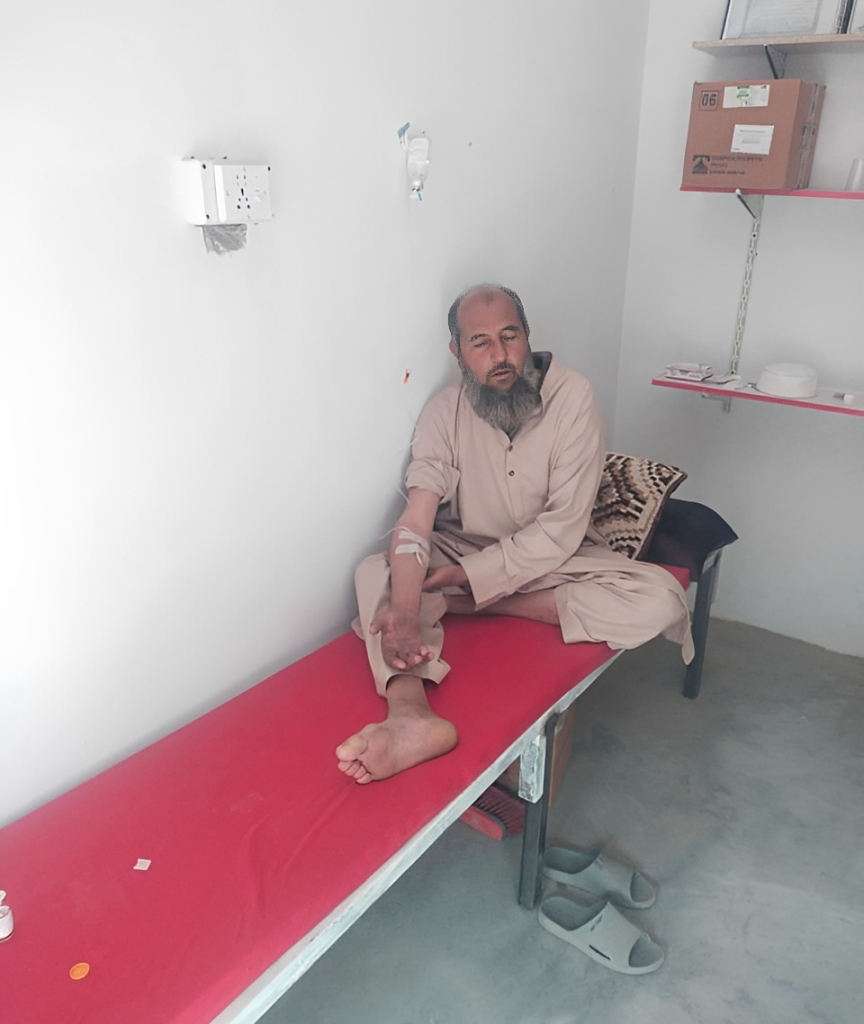
Health starts at home. By adopting simple hygiene habits and understanding how germs spread, every family can protect itself from common illnesses. Combining these practices with support from BSK Home Care Services can dramatically improve health outcomes, especially in areas where access to clinics and hospitals is limited.
Your home can become a strong defense against disease. With awareness, consistency, and community effort, we can create healthier homes and stronger communities. Remember: prevention is always better than cure—and it begins with simple acts of hygiene every day.
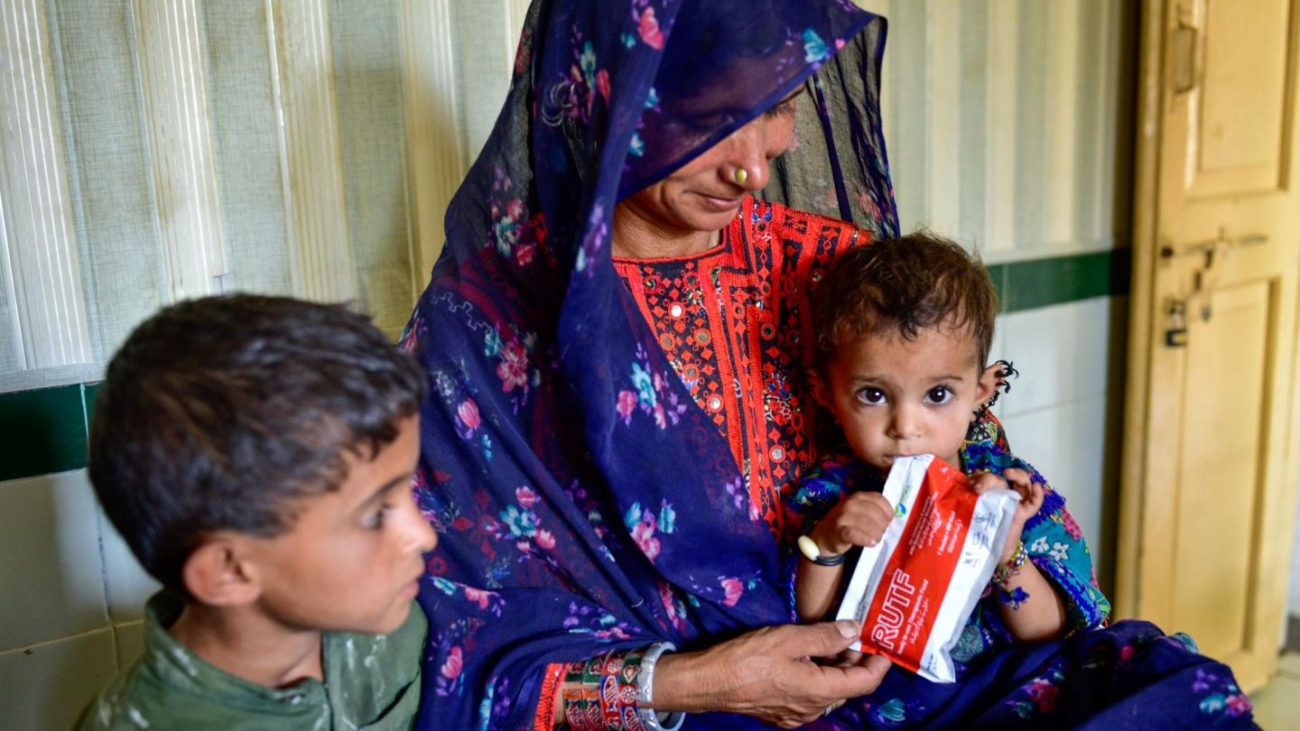
Child health and nutrition are the building blocks of a strong and healthy society. Every child deserves the right to grow, learn, and live a healthy life, yet many children in developing countries like Pakistan suffer from poor nutrition and lack of proper healthcare. These challenges not only affect their physical growth but also impact their mental development and future potential.
Proper nutrition during childhood is essential for growth and development. Children need a balanced diet that includes proteins, vitamins, and minerals to build strong bodies and healthy minds. Without adequate nutrition, children may suffer from weakness, stunted growth, and low immunity, making them more vulnerable to diseases.
Good nutrition in early life also improves brain development, helping children perform better in school and daily activities. A well-nourished child is more active, focused, and capable of achieving their goals.
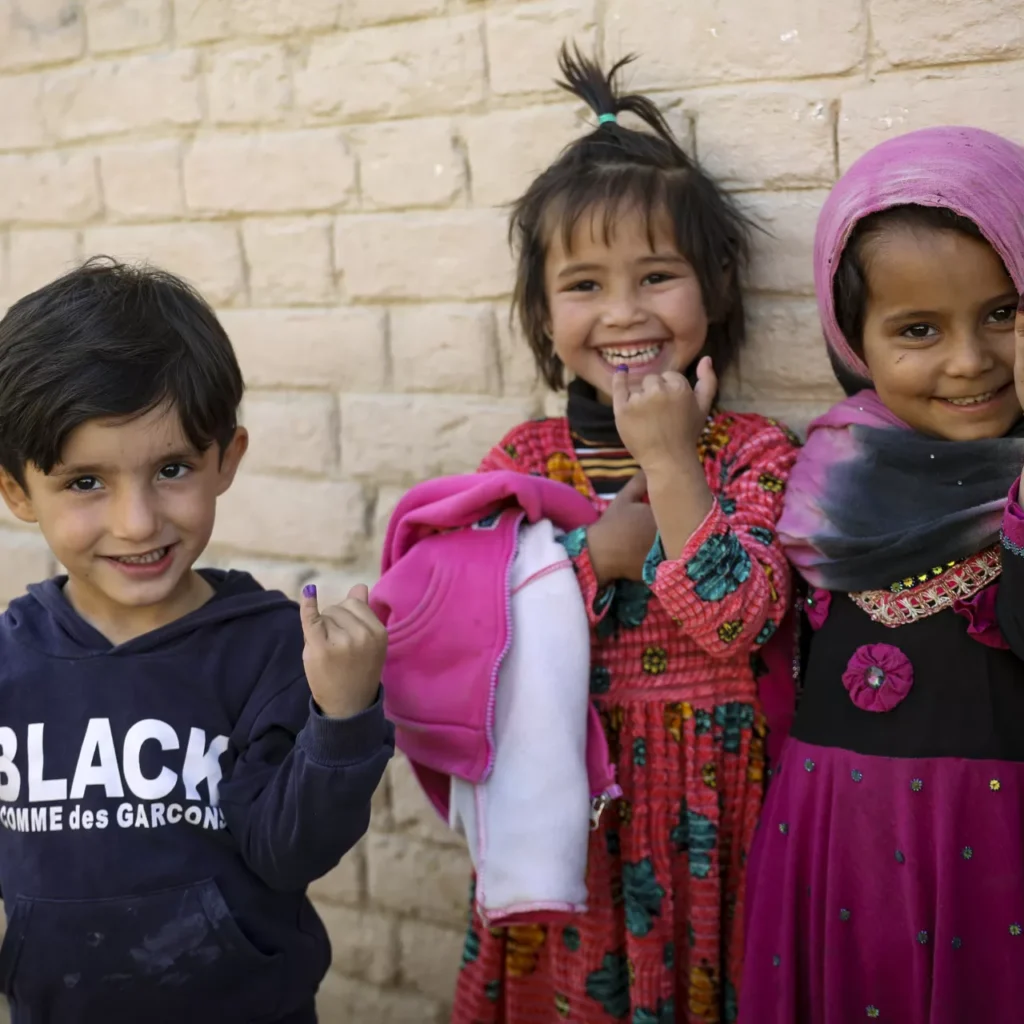
Many children in underprivileged communities face serious health challenges such as malnutrition, infections, and lack of medical care. Poor hygiene, unsafe water, and limited access to healthcare facilities further increase these risks.
Diseases that could easily be prevented or treated often become severe due to lack of awareness and resources. This not only affects the child but also puts a burden on families and communities.
Parents and communities play a vital role in ensuring the health and nutrition of children. Simple practices such as providing healthy meals, maintaining cleanliness, and ensuring regular medical checkups can make a big difference.
Community awareness programs are also important to educate families about proper nutrition and child care. When communities work together, they can create a healthier environment for children to grow and thrive.
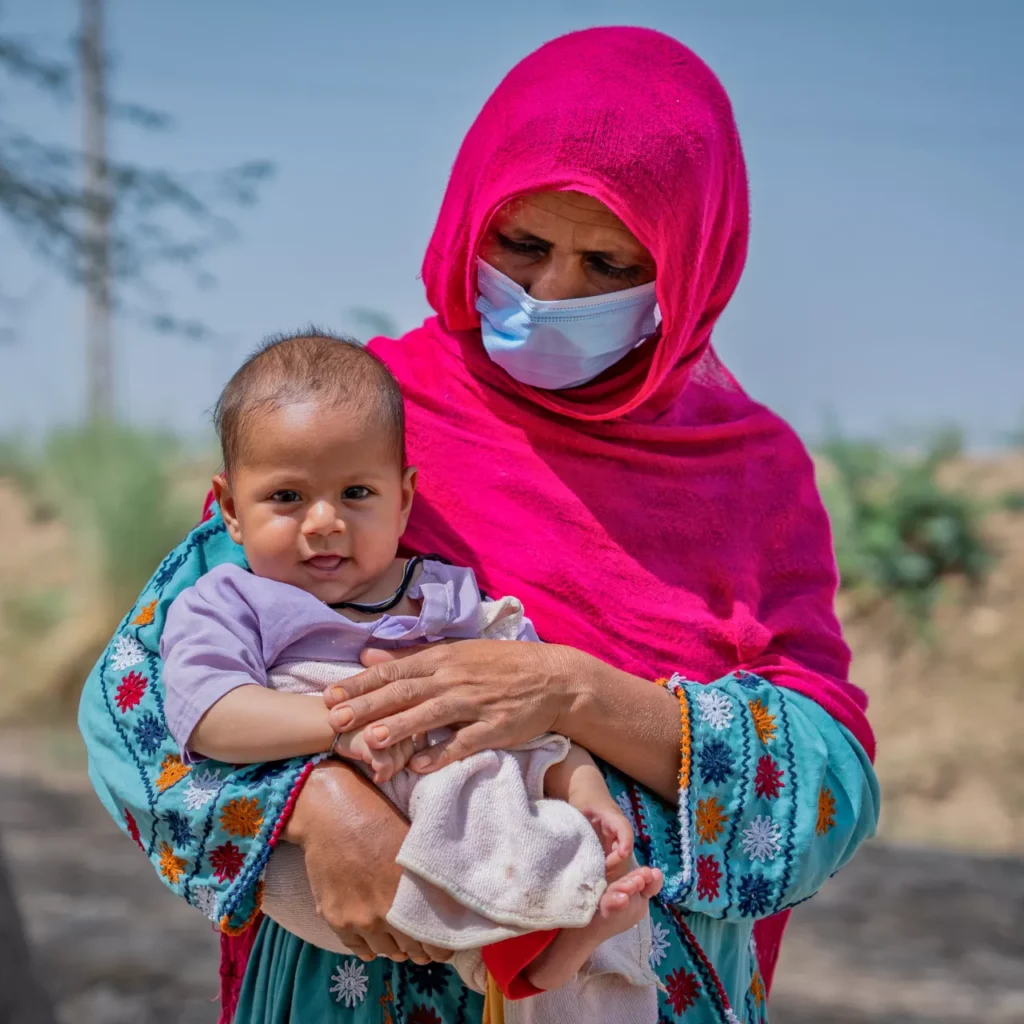
Healthy children are more likely to attend school regularly and perform well in their studies. Proper nutrition gives them the energy and concentration needed for learning. On the other hand, unhealthy or malnourished children often struggle with studies and may drop out of school.
Investing in child health today means building a stronger future. Healthy children grow into productive adults who can contribute positively to society.
In many parts of Pakistan, poverty and lack of resources make it difficult for families to provide proper nutrition and healthcare to their children. Limited access to affordable medical facilities and nutritious food creates a cycle of poor health and poverty.
These challenges require collective efforts from organizations, communities, and individuals to bring meaningful change.
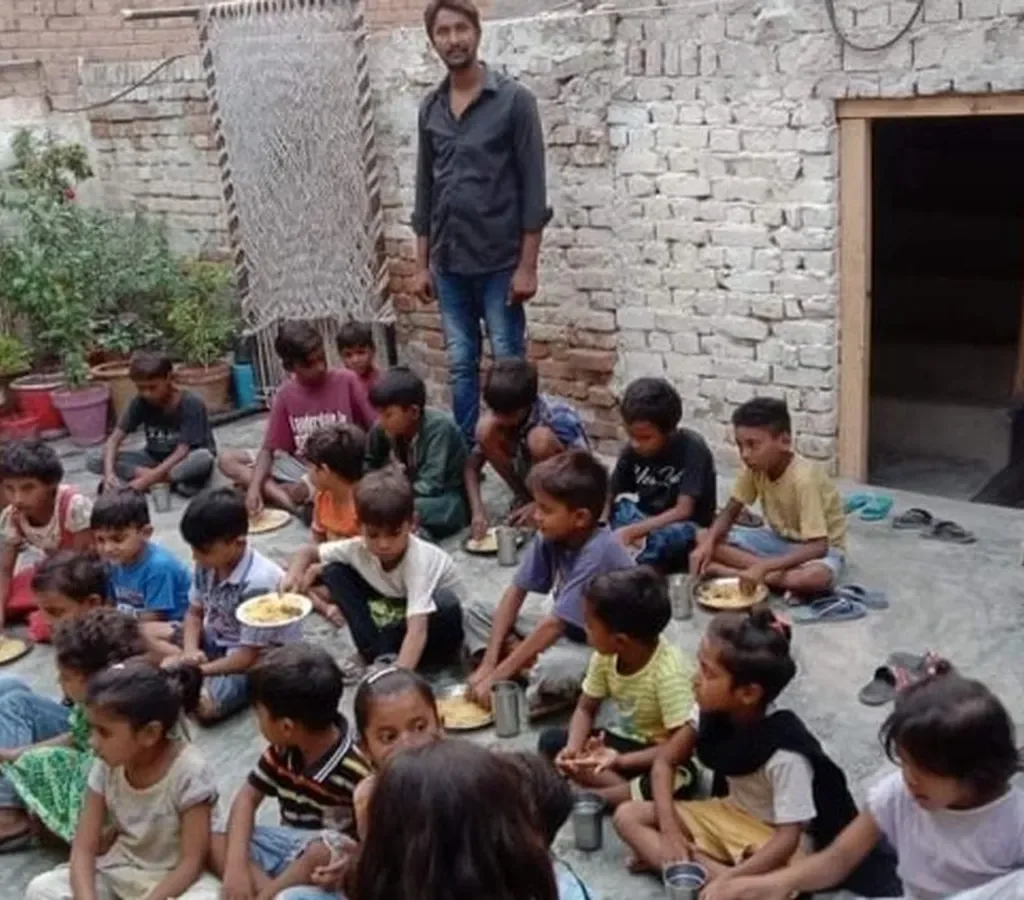
At foundation.bskgroups.com, we are committed to supporting child health and nutrition across Pakistan. Our foundation works to help poor and needy families by providing access to affordable healthcare and promoting better nutrition practices.
We strive to ensure that every child, regardless of their financial background, has the opportunity to live a healthy and fulfilling life. By focusing on both health and nutrition, we aim to create lasting positive change in communities.
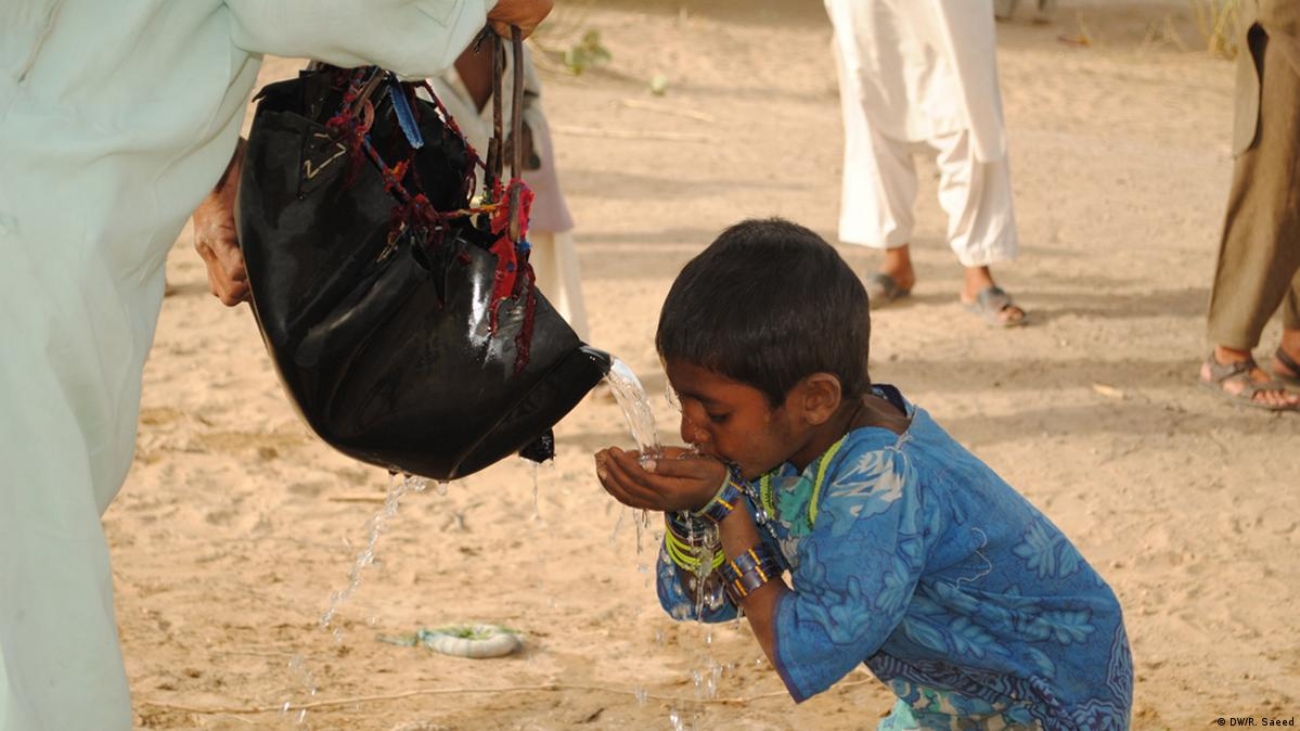
Clean water is not just a basic need—it is the foundation of a healthy and safe life. Every day, millions of people around the world struggle to find safe drinking water, and this problem is especially serious in developing countries like Pakistan. Without access to clean water, families are forced to use contaminated sources such as polluted rivers, unsafe wells, or dirty storage, which puts their health at constant risk.
Unsafe water is one of the leading causes of many dangerous diseases, including diarrhea, cholera, and typhoid. These illnesses spread quickly in communities where clean water and proper sanitation are not available. Children are the most affected, as their immune systems are weaker, making them more vulnerable to infections. In many cases, these diseases can become life-threatening, even though they are completely preventable.
Clean water plays a vital role in protecting people from these health risks. When families have access to safe drinking water, they are less likely to get sick, and their overall quality of life improves. It also helps in maintaining proper hygiene, which further reduces the spread of diseases.
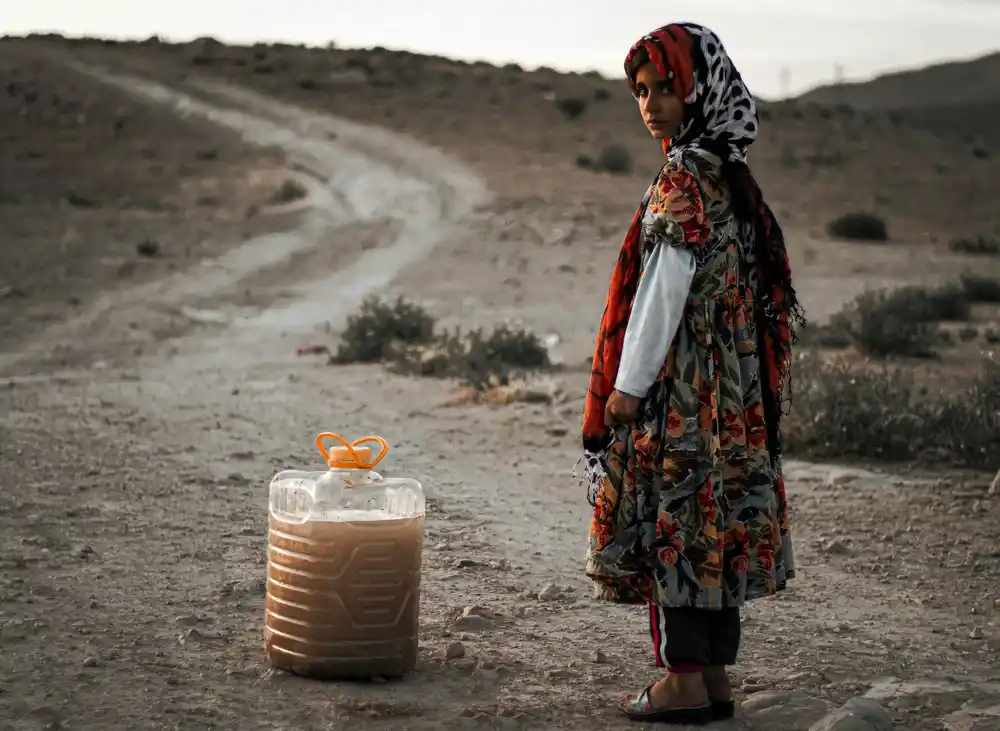
Many underprivileged areas face serious challenges in accessing clean water. These include lack of proper infrastructure, poverty, and limited awareness about hygiene. People often have no choice but to rely on unsafe water sources, which leads to continuous health problems.
Climate change and population growth are also increasing the demand for clean water, making it even more difficult for poor communities to meet their needs. Without proper support, this situation can become worse over time.
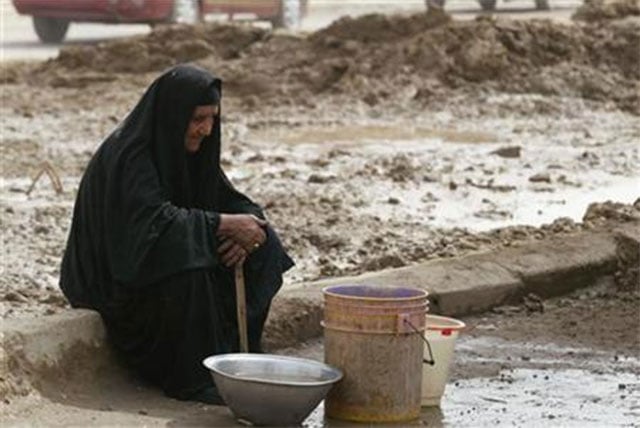
Clean water is not only important for drinking—it is also essential for daily activities like cooking, bathing, and cleaning. Good hygiene practices, such as washing hands regularly, depend on the availability of safe water. Without it, even simple tasks can become harmful.
Proper sanitation, combined with clean water, can significantly reduce the spread of infections in communities. It creates a healthier environment where people can live, work, and grow without constant fear of illness.
At foundation.bskgroups.com, we are dedicated to improving the lives of people in need by addressing critical health challenges. Our foundation is actively working in Pakistan to support poor and underprivileged communities. We focus on providing access to clean water and offering healthcare facilities at affordable prices so that everyone, regardless of their financial condition, can receive proper treatment.
We believe that access to clean water and basic healthcare is a right, not a privilege. Through our efforts, we aim to reduce the burden of water-related diseases and help families live healthier and more secure lives.
Even a small step can create a big impact. By supporting our mission, you can help provide clean water, improve health conditions, and save lives. Your contribution can bring hope to families who struggle every day for basic necessities.
Together, we can build a future where no one suffers due to lack of clean water. Clean water is life—and by ensuring access to it, we are not just helping people survive, we are helping them thrive.
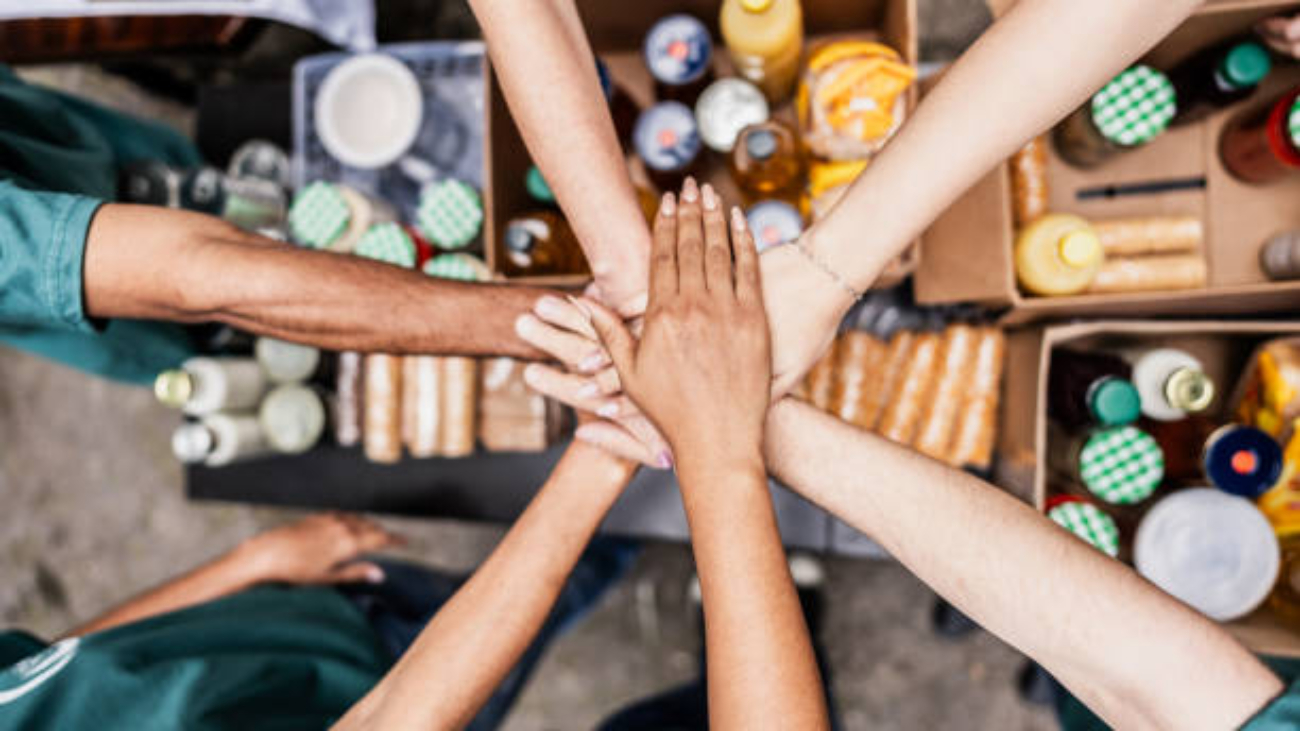
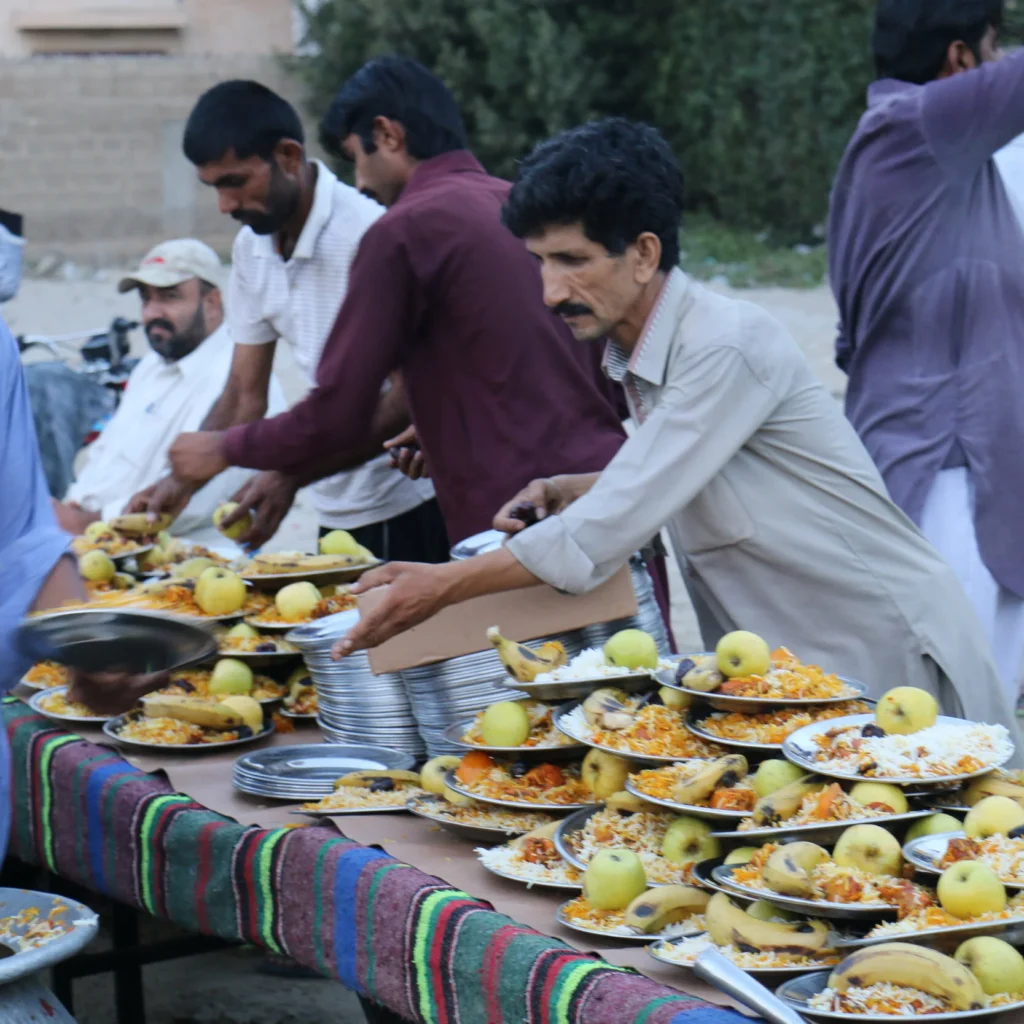
One of the biggest motivators behind helping others is to make yourself feel better about yourself. Social constructs in nearly all regions of the world have the notion of help. When you help someone in distress a feeling of satisfaction hits you automatically. You don’t feel good when you do things right? The answer is a loud YES! It is only natural!
If you donate to a 501(c)(3) organization in the United States, you can deduct your donations from your federal income tax return. Tax exemptions are also granted to churches and religious institutions. In addition, if you donate to a charity in another country, you may be able to deduct your donation from your taxes.
In our hectic lives, we often neglect those who are close to us. Because of this, the cause of helping the underprivileged, poor, and needy people suffer. When you do an act of charity, your heart is revived. It’s an honorable deed with a lasting impact!
When you raise your voice in response to the calls of help, you set an incredibly important example for your friends and family. Often, we do something because someone else is doing it. For example, if I like an app on my phone and recommend it to a close friend, chances are that my friend will download and install it right away. The concept of charity works exactly the same way. You set an example and encourage others to help those who are facing trouble. It is a chain effect, but one that brings peace and not destruction to society.
Have you ever sat back and thought about what you’re doing in your life? Is it really all about you? What percentage of your life is devoted to helping others? If you’re constantly thinking about yourself and your own needs, you’ll likely become self-centered. Thinking about yourself and your personal gains only and not considering the causes for the greater benefit eventually leads to flaws in your personality and character. Therefore, consider helping someone by giving them money or offering any other form of assistance if you can.
Donating money in 2020 is very different from what people did to help others. Today one does not have to go to a charitable organization or find their collection box in person. One can easily donate online. Organizations like Transparent Hands have embraced the crowdfunding model to address major issues.
Seed Out is a not for profit crowdfunding platform which is working to alleviate poverty by establishing micro entrepreneurs through interest free micro financing.